Berührungsloses Präzisionsschneiden
Drahterodierdienstleistungen
Präzisions-Drahterodieren für komplexe Profile, gehärtete Metalle, scharfe innere Merkmale und Komponenten mit engen Toleranzen.
6CNC bietet Drahterodieren für Werkzeuge, Einsätze, mechanische Präzisionsteile, Prototypen und Kleinserien. Das berührungslose Verfahren trägt leitfähiges Material durch kontrollierte elektrische Entladung ab und vermeidet konventionelle Schnittkräfte an empfindlichen oder gehärteten Komponenten.
Leitfähige Metalle und Legierungen
Gerade, konische und komplexe Profile
Bearbeitung gehärteter Werkstoffe
Unterstützung für Prototypen und Kleinserien
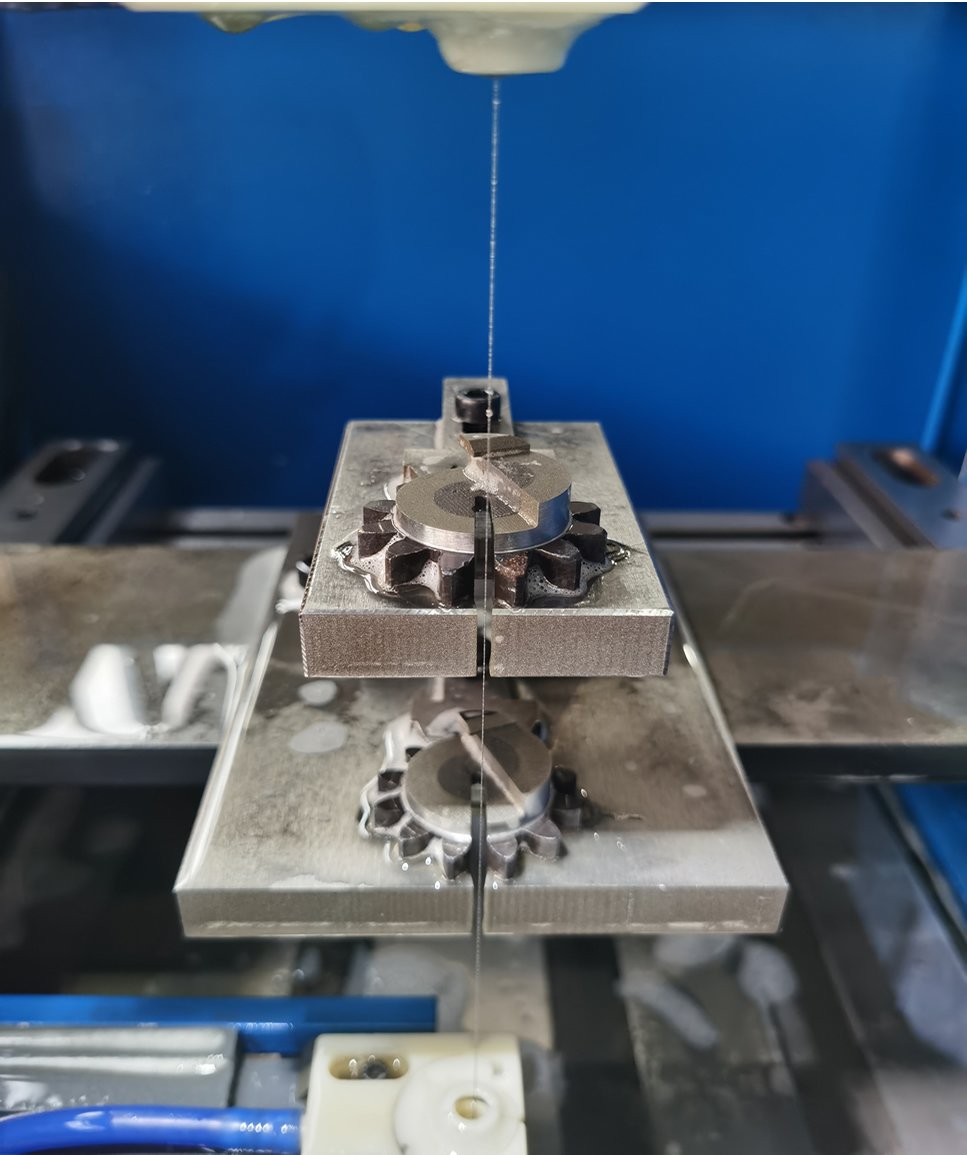
Präzisions-Drahterodierkapazitäten
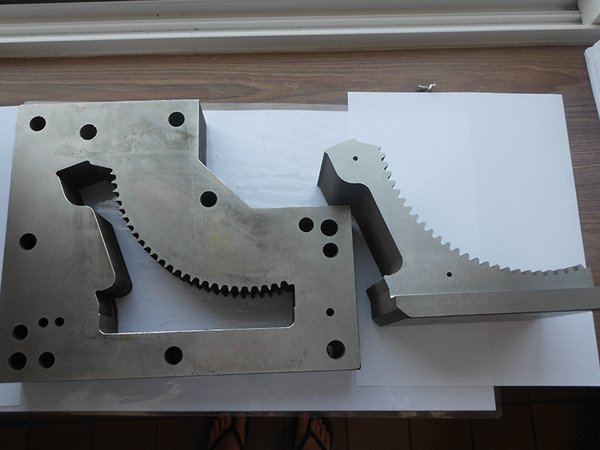
Komplexe 2D-Profile
Komplexe Außen- und Innenkonturen, Schlitze, Fenster, Formen und Präzisionsöffnungen aus leitfähigen Werkstoffen schneiden.
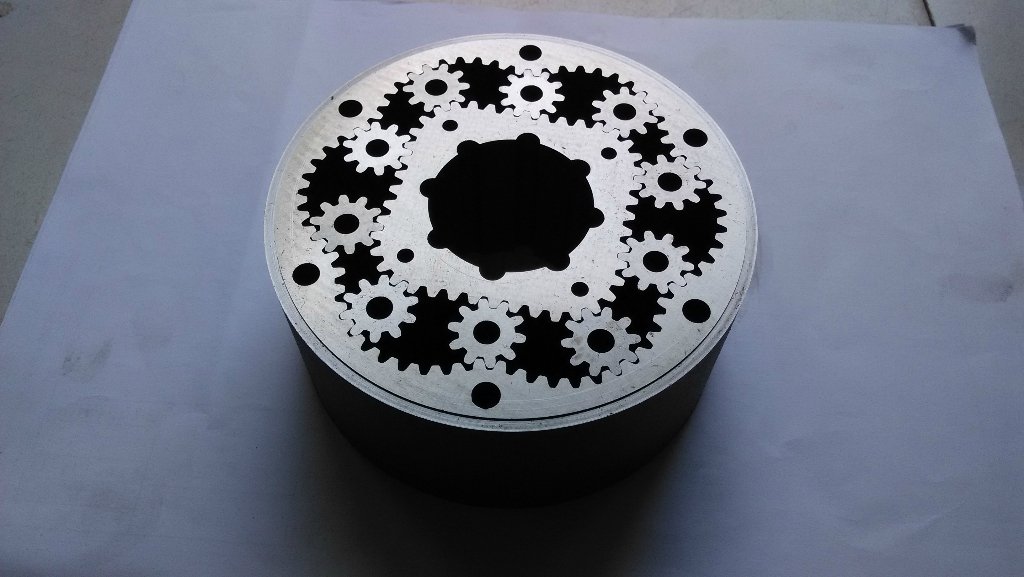
Gehärtete Komponenten
Ausgewählte wärmebehandelte Stähle, Hartmetall und harte Legierungen bearbeiten, ohne von der konventionellen Zerspanbarkeit nach Härte abhängig zu sein.
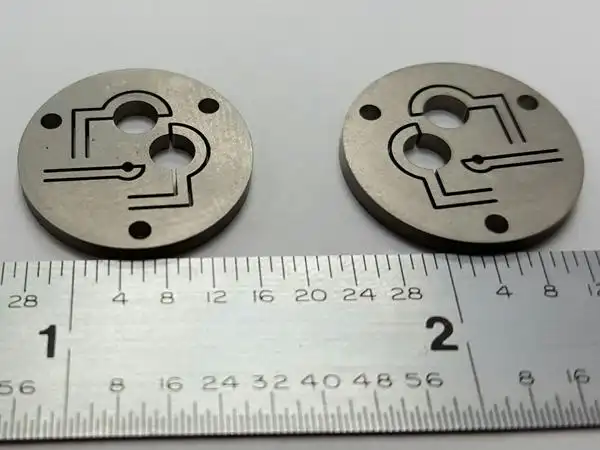
Konisches Schneiden
Gerade oder konische Wände für Matrizen, Einsätze, Elektroden, Führungen und mechanische Präzisionskomponenten prüfen.
Kleine Innenradien
Feine Details und kontrollierte Radien abhängig von Drahtdurchmesser, Funkenspalt, Werkstückdicke und Zugang herstellen.
Stapel- und Losbearbeitung
Ausgewählte flache Komponenten können gestapelt oder verschachtelt werden, wenn Geometrie, Genauigkeit, Spülung und Rückverfolgbarkeit es erlauben.
Kombination aus CNC und Erodieren
Fräsen, Drehen, Schleifen, Bohren, Wärmebehandlung und Drahterodieren in einem Projektablauf koordinieren.
Präzisionsprofile ohne konventionellen Schnittdruck
Drahterodieren ist wertvoll, wenn ein Bauteil hart, empfindlich, schmal oder mit einem rotierenden Fräser schwer zu bearbeiten ist. Weil der Draht das Werkstück nicht mechanisch berührt, können dünne Bereiche und komplexe Profile oft mit geringerem Risiko schnittkraftbedingter Verformung hergestellt werden.
Das Verfahren ist auf elektrisch leitfähige Werkstoffe beschränkt. Ein programmierter Drahtweg führt durch das Werkstück, während kontrollierte Entladungen Material in einer dielektrischen Flüssigkeit abtragen. Der Schruppschnitt erzeugt das Profil; zusätzliche Schlichtschnitte können Maßgenauigkeit und Oberflächenzustand verbessern.
6CNC-Ingenieure prüfen vor der Angebotserstellung Werkstoff, Dicke, Profilkomplexität, Eckradien, Konizität, Startlöcher, Spannung, Bezüge, Toleranzen, Oberflächengüte und Prüfbedarf.
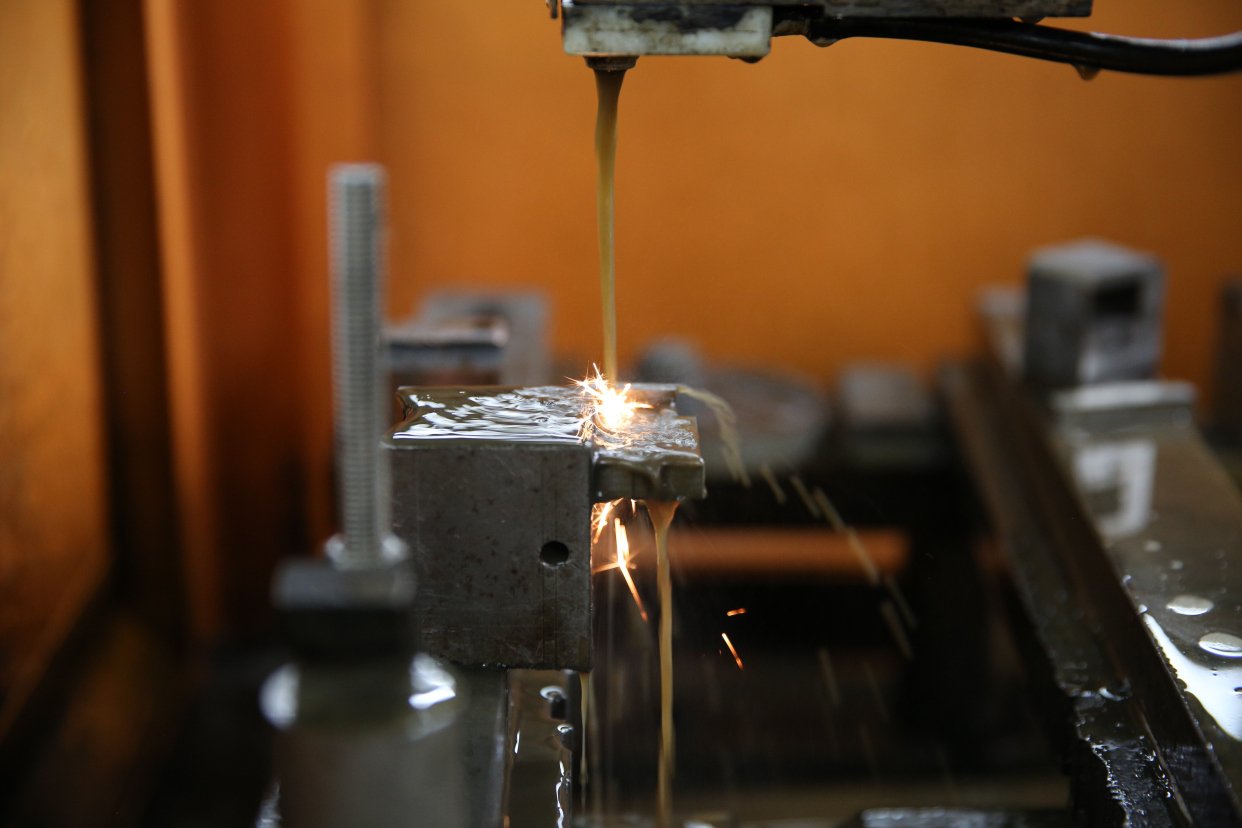
6CNC-Drahterodierprozess
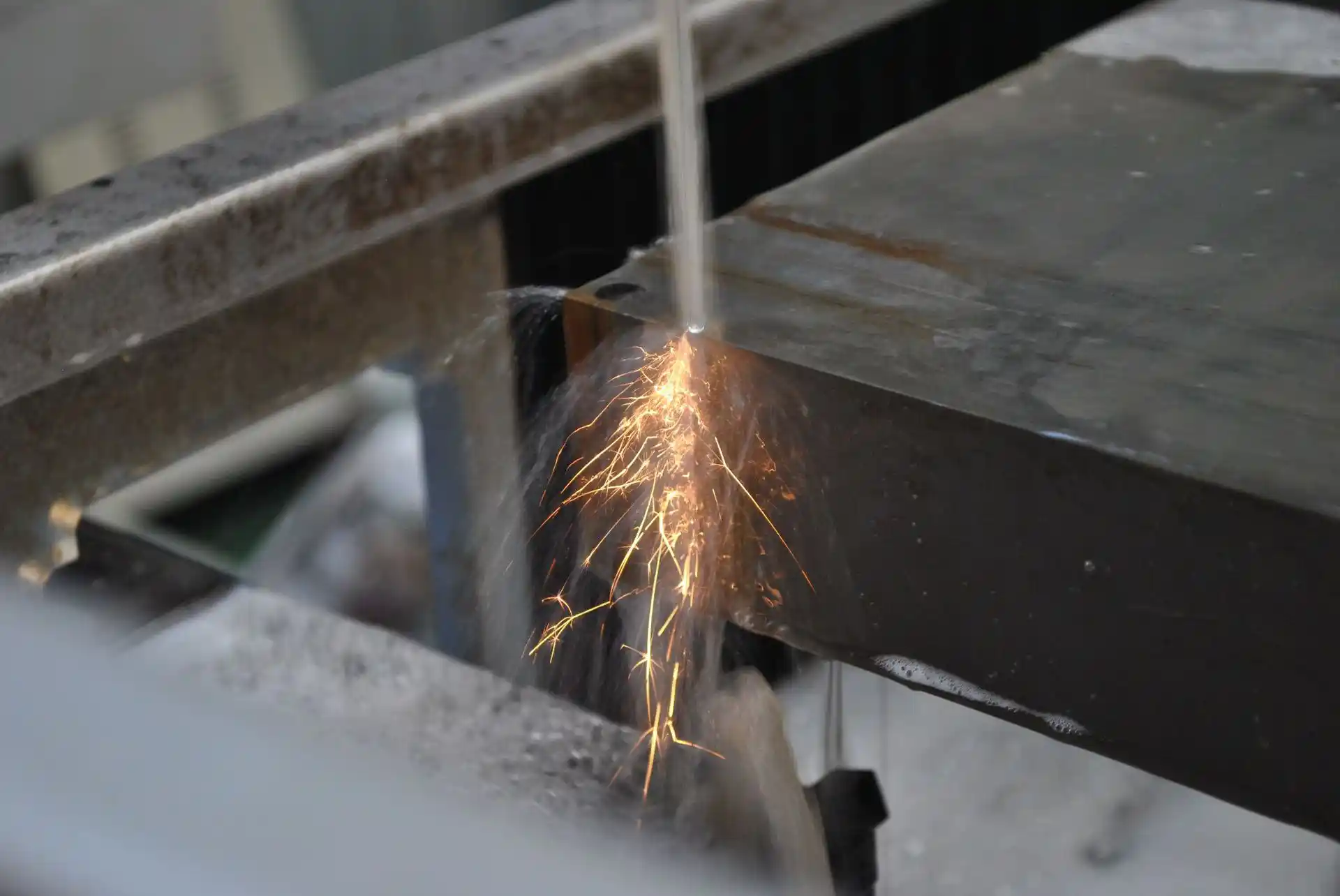
Zeichnungsprüfung
Werkstoff, Dicke, Bezüge, Toleranzen, Eckradien, Konizität, Oberflächengüte, Menge und Prüfanforderungen bestätigen.
Werkstückvorbereitung
Rohlinge und Bezugsmerkmale bearbeiten, gegebenenfalls Wärmebehandlung abschließen und Spannflächen herstellen.
Startlochplanung
Startlöcher für geschlossene Konturen herstellen oder bestätigen und dabei kritische Fertigflächen schützen.
Draht-Schruppschnitt
Den Großteil des Materials mit stabilem programmiertem Weg und kontrollierten Entladungsbedingungen entfernen.
Schlichtschnitte
Bei Bedarf zusätzliche Nachschnitte zur Verbesserung von Genauigkeit, Geometrie und Oberflächenzustand anwenden.
Prüfung
Profile, Positionen, Dickenbeziehungen und zeichnungsgemäße Merkmale vor der Lieferung verifizieren.
Werkstoffe für Drahterodieren
Werkstoffgruppe
Werkzeug- und Formenstähle
Beispiele
D2, H13, A2 und zeichnungsgemäße Sorten
Typische Anwendungen
Matrizen, Stempel, Einsätze, Formen, Werkzeuge
Kohlenstoff- und legierte Stähle
Nichtrostende Stähle
Hartmetall
Beispiele
Ausgewählte Hartmetallsorten
Typische Anwendungen
Verschleißteile, Stempel, Werkzeugeinsätze
Aluminium- und Kupferlegierungen
Beispiele
Aluminium, Kupfer, Messing, Bronze
Typische Anwendungen
Elektroden, Instrumente, Präzisionskomponenten
Titan- und Nickellegierungen
Beispiele
Zeichnungsgemäße leitfähige Legierungen
Typische Anwendungen
Luft- und Raumfahrt, Energie und anspruchsvolle Anlagen
Nichtleitende Kunststoffe, Keramiken und Verbundwerkstoffe lassen sich nicht mit Standard-Drahterodieren schneiden, sofern sie keinen geeigneten leitfähigen Zustand oder spezialisierten Prozessweg aufweisen.
Erodieren mit engen Toleranzen und Qualitätskontrolle
Profilgenauigkeit
Konturmaße und -positionen werden relativ zu den Zeichnungsbezügen verifiziert.
Eckradien
Mindestradien werden anhand von Drahtdurchmesser, Funkenspalt, Werkstoff, Dicke und Schlichtstrategie geprüft.
Konizität und Geradheit
Wandwinkel, Vertikalität und Profilkonstanz werden über die Schnitthöhe bewertet.
Oberflächenzustand
Schrupp- und Schlichtstrategien werden nach funktionalen Oberflächenanforderungen ausgewählt.
Wärme- und Spannungskontrolle
Werkstoffzustand, frühere Wärmebehandlung, Eigenspannung und Bauteilabstützung werden bei der Prozessplanung berücksichtigt.
Prüfdokumentation
Maßberichte, Werkstoffdokumente und projektspezifische Nachweise sind nach Vereinbarung verfügbar.
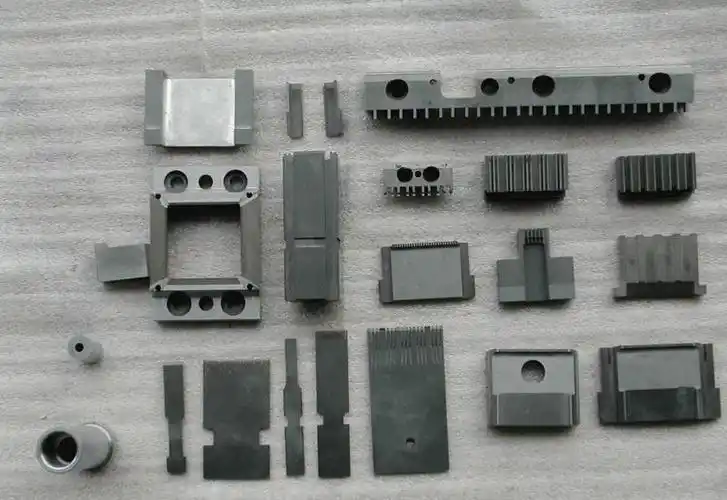
Gängige Anwendungen des Drahterodierens
Matrizen und Stempel
Präzisionsschneiden, Matrizenöffnungen, Stempel, Abstreiferplatten und Einsätze.
Formenkomponenten
Schieber, Schrägauswerfer, Einsätze, Abstellungen und schwierige Innenprofile.
Luft- und Raumfahrtteile
Profile, Schlitze, Testkomponenten und Werkzeuge aus gehärteten oder schwer bearbeitbaren Legierungen.
Medizinische Komponenten
Kleine leitfähige Teile, Instrumentenkomponenten, Vorrichtungen und Entwicklungshardware.
Präzisionsmaschinen
Führungen, Lehren, Verschleißplatten, Passfedern, Schlitze und Ausrichtkomponenten.
Elektronik
Steckverbinderwerkzeuge, Leadframe-Werkzeuge, kleine leitfähige Profile und Vorrichtungen.
Automobilwerkzeuge
Stanz-, Umform- und Prüfvorrichtungen, Prototypen und Instandhaltungskomponenten.
Reparatur- und Altteile
Ersatzkomponenten in Kleinserie nach Zeichnungen oder technischen Daten.
Häufige Fragen
FAQ zum Drahterodieren
Was ist Drahterodieren?
Drahterodieren nutzt einen kontinuierlich bewegten leitfähigen Draht und kontrollierte elektrische Funken, um elektrisch leitfähiges Material ohne direkten Werkzeugkontakt zu schneiden.
Welche Werkstoffe kann Drahterodieren schneiden?
Drahterodieren kann leitfähige Werkstoffe wie Werkzeugstahl, Edelstahl, legierten Stahl, Aluminium, Kupfer, Messing, Hartmetall, Titan und Nickellegierungen schneiden, vorbehaltlich Zeichnungsprüfung.
Kann Drahterodieren gehärteten Stahl schneiden?
Ja. Die Werkstoffhärte beeinflusst den Abtragsmechanismus weniger als beim konventionellen Schneiden, wodurch Drahterodieren für viele vorgehärtete und wärmebehandelte Komponenten geeignet ist.
Erzeugt Drahterodieren Schnittkräfte?
Das Verfahren ist berührungslos und erzeugt daher keine konventionellen Fräs- oder Drehkräfte. Thermische Effekte und Eigenspannungen erfordern dennoch Prozessplanung.
Kann Drahterodieren scharfe Innenecken herstellen?
Es kann kleine Innenradien erzeugen, doch eine vollkommen scharfe Innenecke ist nicht möglich, da der Draht einen physischen Durchmesser und Funkenspalt benötigt.
Können Sie mit Drahterodieren Konizitäten schneiden?
Ausgewählte Konuswinkel und variable Profile können anhand von Bauteildicke, Geometrie, Maschinenverfahrweg, Genauigkeit und Drahtführung geprüft werden.
Welche Toleranzen kann Drahterodieren einhalten?
Erreichbare Toleranzen hängen von Werkstoff, Dicke, Profil, Merkmalslänge, Maschineneinrichtung, Temperaturkontrolle, Anzahl der Schlichtschnitte und Prüfverfahren ab. Geben Sie die erforderliche Toleranz in der Zeichnung an.
Welche Oberflächengüte ist verfügbar?
Die Oberflächengüte hängt von Schnittstrategie und Anzahl der Nach- oder Schlichtschnitte ab. Geben Sie kritische Oberflächenanforderungen zur Angebotserstellung in der Zeichnung an.
Ist ein Startloch erforderlich?
Geschlossene Innenkonturen benötigen normalerweise ein Startloch, sofern die Konstruktion kein Einfädeln von einer offenen Kante erlaubt oder ein anderer Prozessweg vereinbart ist.
Unterstützen Sie Drahterodieren für Prototypen und Kleinserien?
Ja. Wir unterstützen Einzelkomponenten, Prototypen, Werkzeuge, Reparaturteile und wiederkehrende Kleinserien.
Starten Sie Ihr Projekt
Angebot für Präzisions-Drahterodieren erhalten
Laden Sie CAD-Modell und freigegebene Zeichnung mit Werkstoff, Dicke, Toleranzen, Oberflächenanforderung, Startlochinformationen, Menge und Prüfhinweisen hoch.
Verwandte Werkstoffratgeber
Nickellegierungs- und Titansorten zusammen mit Merkmalsgeometrie und Anforderungen an die Oberflächenintegrität berücksichtigen.